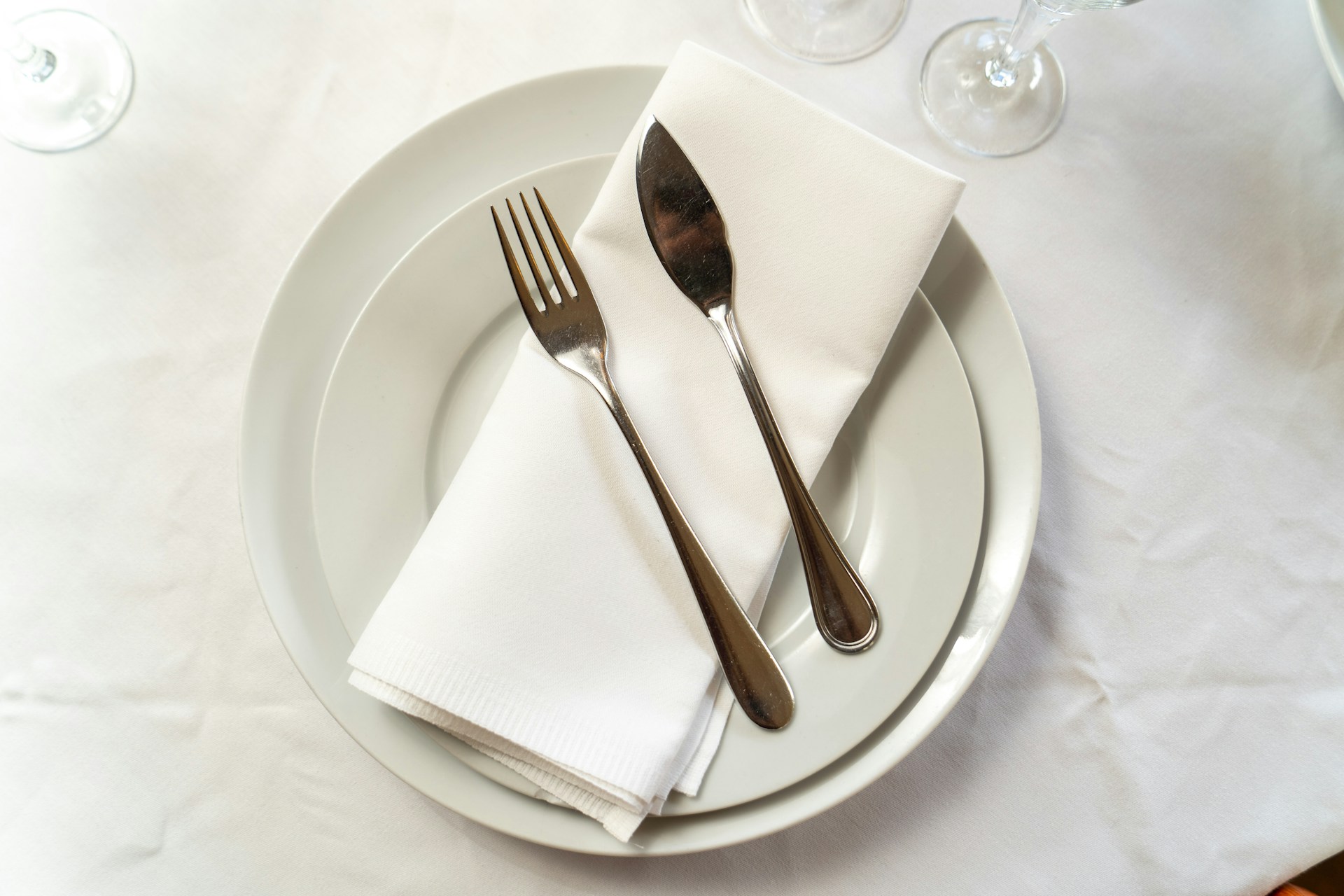
In the realm of culinary arts, much attention is paid to the visual symmetry of a plated dish and the aromatic complexity of its ingredients. Yet, there is a third, often overlooked dimension that bridges the gap between the kitchen and the diner: the ergonomics of the utensil. At Shopagg, we believe that cutlery is not merely a tool for consumption, but an extension of the human hand. The way a knife balances against the palm or how a fork handle rests between the fingers can subconsciously elevate a meal from a mundane necessity to a luxurious ritual.
The study of cutlery ergonomics is a complex interplay of physics and psychology. It begins with the center of gravity. A poorly designed fork may feel front-heavy, causing the wrist to fatigue during a long banquet, or conversely, feel too light at the tip, making the act of spearing a delicate hors d'oeuvre feel clumsy. Through precision engineering, Shopagg manipulates the mass distribution within the handle and the blade to achieve a "neutral balance." This ensures that the utensil feels like a natural extension of the arm, requiring minimal muscle effort to maneuver. This invisible comfort allows the diner to focus entirely on the conversation and the cuisine, rather than the mechanics of eating.
Beyond balance, the geometry of the handle plays a pivotal role in the user experience. In Western dining, the grip varies significantly depending on the course. A steak knife requires a firm, power grip, necessitating a handle with substantial girth and perhaps a subtle textural variance to prevent slipping. A dessert spoon, however, is often held with a delicate precision grip, akin to holding a pen. Our design team at Shopagg analyzes these distinct holding patterns when drafting molds. We employ subtle tapers, rounded bolsters, and seamless transitions from handle to neck to ensure that the transition between courses feels intuitive and fluid.
The finish of the metal further contributes to this sensory dialogue. While a high-polish mirror finish is visually striking, it must be executed with a level of perfection that eliminates any tactile drag. A surface that is not perfectly smooth can create friction against the skin, a sensation that is magnified in a high-end setting where expectations are elevated. Shopagg utilizes a multi-stage polishing process that buffs the steel to a liquid-like smoothness. This ensures that the cutlery glides effortlessly against the lips and the fingertips, reinforcing the perception of hygiene and refinement.
For hoteliers and restaurateurs, investing in ergonomically superior cutlery is a strategic decision. It speaks to a demographic that values comfort as much as aesthetics. It signals that the establishment has considered the guest's physical experience down to the gram. When a guest picks up a piece of Shopagg cutlery, they are engaging with a product that has been meticulously calibrated to fit the human form. It is a silent language of hospitality, spoken through the curve of a handle and the weight of a blade, telling the guest that they are in capable, thoughtful hands.